Introduction
AI agents in software development are transforming the way developers create, test, and maintain applications. These intelligent systems, powered by machine learning and advanced algorithms, are becoming essential tools in the software development lifecycle. From automating routine tasks to enhancing code quality, AI agents in software development are bringing significant changes. In this article, we will explore how AI agents are reshaping the industry, the benefits they offer, and the challenges they bring.
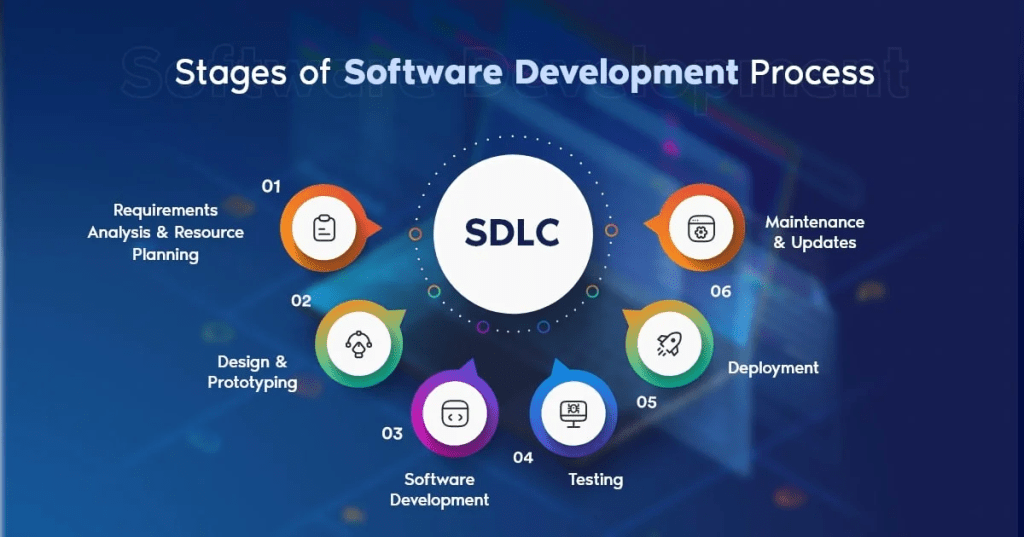
What Are AI Agents in Software Development?
AI agents in software development refer to autonomous systems or tools that assist developers in various tasks. These tools are powered by artificial intelligence and can make decisions or perform actions based on data and patterns they learn from. In the context of software development, AI agents can assist with everything from code writing and debugging to testing and optimization.
At their core, AI agents are designed to reduce the amount of manual labor involved in software development, improve productivity, and enhance software quality. They can also support decision-making processes by analyzing vast amounts of data, spotting patterns, and suggesting improvements.
How AI Agents Enhance Software Development
- Code Generation and Autocompletion
AI agents in software development are increasingly used to assist developers in writing code. They can predict and autocomplete code snippets, saving time and reducing the chances of human error. These tools can understand the context of the code and offer relevant suggestions based on the language, frameworks, and libraries being used. By accelerating the coding process, AI agents help developers focus on solving complex problems rather than writing repetitive code. - Automated Testing and Bug Detection
One of the most significant advantages of AI agents in software development is their ability to automate testing. Testing is a critical part of the software development process, and it can be time-consuming when done manually. AI agents can run tests, identify potential bugs, and even suggest fixes. They can also analyze code coverage to ensure that all parts of the software are adequately tested.
AI-powered bug detection tools can learn from past projects to predict where bugs are likely to appear, reducing the time spent on debugging. By automating these processes, developers can deliver higher-quality software in less time.
- Code Refactoring and Optimization
AI agents in software development can also help with code refactoring and optimization. These agents can analyze the performance of existing code, identify areas where efficiency can be improved, and recommend changes to enhance speed and reduce resource consumption. This is particularly useful for large codebases where manual optimization would be time-consuming.
Additionally, AI agents can suggest improvements to make the code more maintainable and readable, which is crucial for long-term software development.
- Project Management and Task Automation
Managing a software development project involves a wide range of tasks, from scheduling meetings to tracking progress and handling resource allocation. AI agents can help automate these tasks, ensuring that the project runs smoothly and efficiently. For instance, they can analyze team performance and workload distribution, predicting bottlenecks or areas where additional resources may be needed.
AI agents can also help in managing software deployment, ensuring that the right processes are followed, and risks are minimized. They can automate repetitive tasks, reducing administrative overhead and freeing up developers to focus on more strategic tasks.
Benefits of AI Agents in Software Development
- Increased Productivity
By automating repetitive and time-consuming tasks, AI agents in software development enable developers to focus on more complex and creative aspects of the work. This can lead to faster development cycles, quicker releases, and more innovation. - Improved Code Quality
AI agents can analyze code in ways that human developers might overlook. They can detect bugs, identify areas for optimization, and suggest improvements to make code cleaner and more efficient. This leads to fewer errors and higher-quality software overall. - Cost Efficiency
The use of AI agents in software development can reduce the need for manual labor and lower operational costs. Automated testing and debugging tools, for example, can speed up the development process, cutting down on the resources needed to maintain and deploy software. - Better Decision-Making
AI agents can process vast amounts of data, providing insights that can help developers make better decisions. Whether it’s choosing the best algorithm for a task or identifying potential issues before they arise, AI agents can assist in making informed choices that improve the development process.
Challenges of AI Agents in Software Development
- Dependency on Data Quality
AI agents in software development rely heavily on the quality of data they are trained on. If the data is incomplete or biased, the performance of AI agents can be compromised. Therefore, ensuring high-quality, clean, and representative data is essential for the success of AI-powered tools. - Complexity of Implementation
While AI agents can offer significant advantages, integrating them into existing development workflows can be challenging. Developers may need to invest time and resources in training AI models, adapting tools to fit their specific needs, and overcoming compatibility issues with existing software. - Ethical Concerns and Job Displacement
The rise of AI agents in software development also raises ethical concerns. Some fear that AI may replace human developers or make certain jobs obsolete. It’s important to consider how AI tools are used to complement human abilities rather than replace them entirely. - Learning Curve
AI-powered development tools can sometimes be complex and require a learning curve. Developers may need time to familiarize themselves with new AI-driven features and integrate them into their workflows effectively.
The Future of AI Agents in Software Development
The role of AI agents in software development is expected to continue evolving. As machine learning models improve and new AI technologies emerge, these tools will become more sophisticated, offering even greater support to developers. The automation of repetitive tasks will likely increase, and AI agents may even take on more advanced roles, such as designing software or managing entire projects.
In the future, AI agents will likely become indispensable tools in software development, driving greater efficiency, innovation, and quality in the industry.
Conclusion
AI agents in software development are revolutionizing the way software is created, tested, and maintained. From automating mundane tasks to improving code quality and optimizing performance, AI-powered tools are helping developers work more efficiently and effectively. While there are challenges to overcome, the benefits of AI agents in software development are clear. As these technologies continue to advance, the potential for even greater transformations in the development process is on the horizon.
 Tech Business
Leave a comment