Introduction to AI for Portfolio Management
In recent years, artificial intelligence (AI) has transformed various industries, and finance is no exception. AI for portfolio management is a growing trend that leverages advanced algorithms and machine learning to optimize investment strategies. This article explores how AI is reshaping portfolio management, its benefits, and its impact on the future of investing.
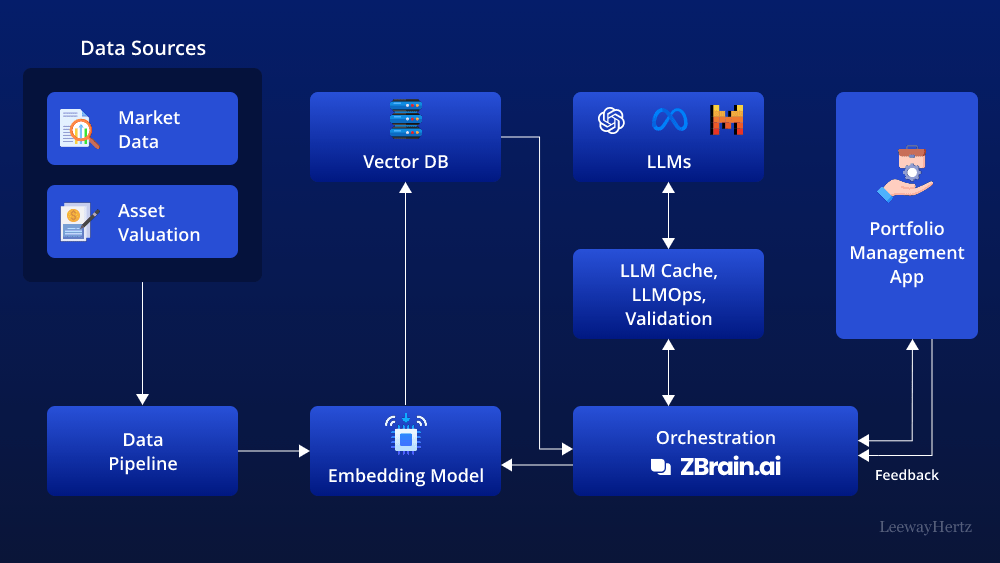
What is AI for Portfolio Management?
AI for portfolio management refers to the use of artificial intelligence technologies to assist in the management and optimization of investment portfolios. This involves the application of machine learning algorithms, data analysis, and predictive modeling to enhance investment decision-making processes. By analyzing vast amounts of data and identifying patterns, AI systems can provide valuable insights and recommendations for managing investments more effectively.
How AI is Transforming Portfolio Management
- Data Analysis and Insights One of the primary advantages of AI for portfolio management is its ability to process and analyze large volumes of data quickly and accurately. Traditional methods of portfolio management often rely on human analysis, which can be limited by cognitive biases and time constraints. AI systems, on the other hand, can analyze financial data, market trends, and economic indicators in real time, providing investors with actionable insights and recommendations.
- Risk Management Managing risk is a crucial aspect of portfolio management. AI for portfolio management enhances risk assessment by utilizing sophisticated algorithms to evaluate potential risks and returns. Machine learning models can predict market fluctuations and identify potential threats, allowing investors to make informed decisions and adjust their strategies accordingly.
- Personalized Investment Strategies AI can tailor investment strategies to individual preferences and risk tolerance. By analyzing an investor’s financial goals, risk appetite, and historical data, AI systems can create personalized portfolios that align with specific objectives. This level of customization ensures that investment strategies are better suited to the unique needs of each investor.
- Algorithmic Trading Algorithmic trading, powered by AI, has revolutionized the way trades are executed. AI-driven trading algorithms can analyze market conditions and execute trades at optimal times, often faster than human traders. This ability to respond swiftly to market changes can result in more efficient trading and potentially higher returns.
- Predictive Analytics Predictive analytics is a key component of AI for portfolio management. By analyzing historical data and identifying trends, AI systems can forecast future market movements and investment opportunities. This predictive capability helps investors make proactive decisions and stay ahead of market shifts.
Benefits of AI for Portfolio Management
- Increased Efficiency AI streamlines various aspects of portfolio management, from data analysis to trade execution. This increased efficiency allows investors to focus on strategic decision-making rather than being bogged down by manual tasks.
- Enhanced Accuracy AI systems reduce the likelihood of human error by providing data-driven insights and recommendations. The accuracy of AI algorithms helps investors make more informed decisions and minimize potential mistakes.
- 24/7 Monitoring Unlike traditional portfolio management, which often relies on regular updates and manual monitoring, AI systems can operate around the clock. This continuous monitoring ensures that portfolios are always up-to-date and responsive to market changes.
- Cost Savings AI for portfolio management can reduce the need for human intervention and the associated costs. Automated processes and algorithmic trading can lead to lower transaction fees and management expenses, ultimately benefiting investors.
Challenges and Considerations
- Data Security With the increased use of AI in portfolio management comes the need for robust data security measures. Protecting sensitive financial information from cyber threats is crucial to maintaining trust in AI-driven systems.
- Algorithm Bias AI algorithms are only as good as the data they are trained on. If the data contains biases or inaccuracies, it can affect the performance of AI systems. Ensuring data quality and addressing potential biases is essential for reliable AI-driven portfolio management.
- Regulatory Compliance As AI for portfolio management continues to evolve, regulatory frameworks must keep pace. Ensuring that AI systems comply with financial regulations and standards is important for maintaining industry integrity and protecting investors.
The Future of AI in Portfolio Management
The future of AI for portfolio management looks promising, with continued advancements in technology and data analytics. As AI systems become more sophisticated, they are likely to offer even greater insights and efficiencies for investors. The integration of AI with other technologies, such as blockchain and big data analytics, may further enhance portfolio management strategies.
Conclusion
AI for portfolio management represents a significant advancement in investment strategies, offering increased efficiency, accuracy, and personalization. By leveraging the power of artificial intelligence, investors can make more informed decisions, manage risks effectively, and optimize their portfolios. While challenges such as data security and algorithm bias must be addressed, the benefits of AI in portfolio management are undeniable. As technology continues to evolve, AI will likely play an even more integral role in shaping the future of investment management.
 Tech Business
Leave a comment