The hospitality industry thrives on providing exceptional guest experiences. With technology playing a larger role in shaping services, Generative AI in hospitality has emerged as a transformative tool that is reshaping customer interactions, personalizing services, and enhancing operational efficiency. This article explores how this advanced form of artificial intelligence is being used to drive innovation and improvement across the hospitality sector.
What is Generative AI?
Generative AI refers to a category of artificial intelligence that can create new content, such as text, images, and even music, based on a set of inputs. In the context of hospitality, Generative AI can be used to simulate human-like conversations, craft personalized recommendations, and even generate promotional materials. By learning from large datasets, this AI model can understand patterns and generate new outputs that meet specific needs.
Enhancing Guest Interactions
One of the most significant impacts of Generative AI in hospitality is its ability to enhance guest interactions. From the moment a customer begins searching for accommodation or planning their travel, generative AI systems can offer tailored assistance. For instance, virtual assistants powered by Generative AI can answer questions in real time, provide customized travel itineraries, and recommend hotel options based on the guest’s preferences.
These AI-driven tools can simulate human conversation so convincingly that they often provide an even better user experience than traditional customer service channels. By being available 24/7, Generative AI ensures that guests receive immediate responses, improving customer satisfaction. Moreover, AI can be personalized to remember guests’ preferences for future interactions, making it a powerful tool for long-term customer loyalty.
Personalizing Guest Experiences
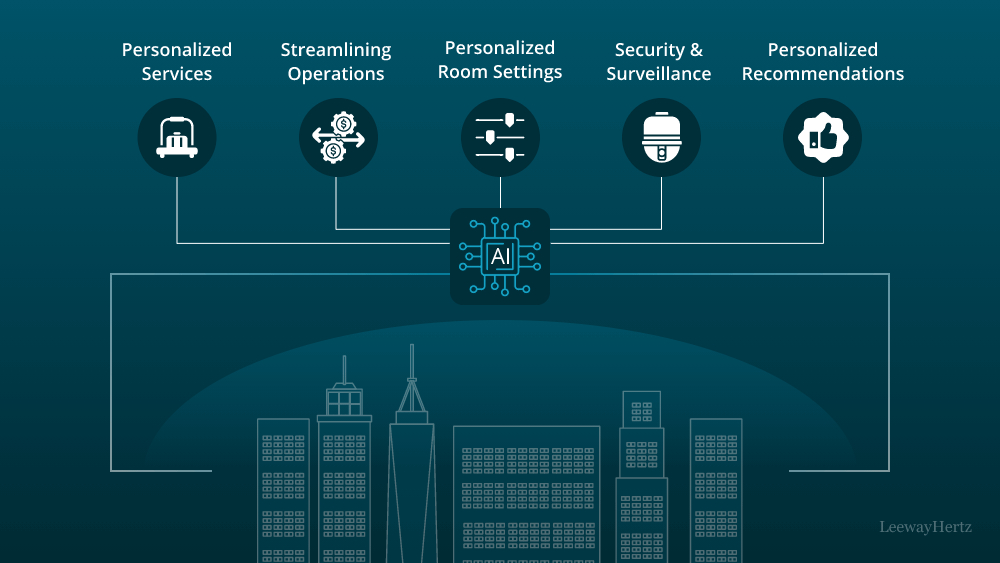
Personalization is one of the most critical factors in delivering exceptional guest experiences in the hospitality industry. Generative AI in hospitality allows hotels and other service providers to tailor their offerings to individual guests in a way that was previously unimaginable.
For example, AI systems can analyze guests’ past behavior, preferences, and feedback to recommend dining options, leisure activities, and room features that match their specific tastes. With the data available, Generative AI can anticipate a guest’s needs before they even arrive, ensuring that their stay is both comfortable and personalized. Whether it’s preparing their favorite drink upon arrival or recommending excursions based on previous bookings, AI creates an experience that feels uniquely curated.
By leveraging the power of Generative AI, hotels can also ensure that marketing campaigns are personalized. AI can generate personalized emails, offers, and promotions that resonate with individual guests, helping build stronger relationships and encouraging repeat visits.
Streamlining Operations
While Generative AI in hospitality is often associated with improving customer experiences, its impact extends behind the scenes as well. Operational efficiency is crucial in hospitality, where managing large numbers of guests, staff, and services can become complex. AI plays a critical role in streamlining these operations.
From inventory management to predicting demand, Generative AI can automate a variety of tasks. For example, AI systems can forecast occupancy rates, allowing hotels to optimize staffing levels accordingly. This not only improves resource management but also ensures that guests always receive top-notch service. Additionally, AI can analyze trends in guest preferences, helping hoteliers make data-driven decisions about which amenities or services to invest in.
Generative AI also helps automate the administrative side of things, reducing the workload on staff and allowing them to focus more on delivering superior guest services. Tasks like processing bookings, generating invoices, and managing requests can be efficiently handled by AI systems. The automation provided by Generative AI significantly improves efficiency and reduces the chances of human error.
Transforming Marketing and Promotions
Marketing plays a crucial role in the success of any hospitality business. However, traditional marketing strategies often lack the level of personalization that today’s guests expect. Generative AI in hospitality has transformed marketing by offering a more personalized approach that is based on detailed customer insights.
AI can analyze customer data to understand the unique preferences and behaviors of each guest segment. Based on these insights, it can generate targeted advertisements, promotional materials, and content that appeal to specific groups of customers. For example, Generative AI can create custom travel packages for families, adventure seekers, or luxury travelers, ensuring that the marketing message resonates with the intended audience.
Furthermore, AI-generated content can be used to enhance a hotel’s online presence. Whether it’s writing compelling blog posts or creating social media content, Generative AI can assist in producing high-quality, engaging materials that attract potential customers. This leads to higher conversion rates and increased bookings, all while reducing the time and effort needed to create such content manually.
Optimizing Pricing Strategies
Another important application of Generative AI in hospitality is optimizing pricing strategies. AI can analyze market trends, competitor pricing, and customer behavior to suggest the best pricing models. By using dynamic pricing strategies, hotels can adjust their rates in real-time to maximize revenue while still offering competitive prices.
Generative AI also helps in predicting demand fluctuations and seasonal variations, ensuring that hotels set prices that both attract guests and optimize occupancy levels. This level of automation and accuracy in pricing strategy was not as easily achievable before the advent of AI, making it a significant tool for increasing profitability in the hospitality industry.
The Future of Generative AI in Hospitality
As technology continues to evolve, the role of Generative AI in hospitality will only grow. In the future, we can expect AI systems to become even more intuitive and sophisticated, allowing for deeper levels of personalization, more advanced operational insights, and even better guest services.
Moreover, as data privacy and security concerns continue to be a focus, AI systems will need to integrate better safeguards to ensure customer data is protected. With the correct implementation and regulation, Generative AI holds immense potential to revolutionize the way hospitality businesses operate.
Conclusion
In summary, Generative AI in hospitality is transforming the way the industry operates, offering enhanced guest interactions, personalized services, and more efficient operations. By leveraging AI’s capabilities, the hospitality industry is moving toward a more personalized and efficient future, where guests receive tailored services and businesses can operate at peak performance. As this technology continues to evolve, its potential to shape the future of hospitality is immense, making it a crucial area for innovation and investment in the years to come.
 Tech Business
Leave a comment