Introduction
The emergence of large language models (LLMs) has marked a significant shift in how we approach software development. LLM application development is transforming the landscape, making it possible to create applications that understand and generate human-like text. As we look ahead, the future of this field appears promising, with advancements in AI technologies paving the way for innovative applications across various industries.
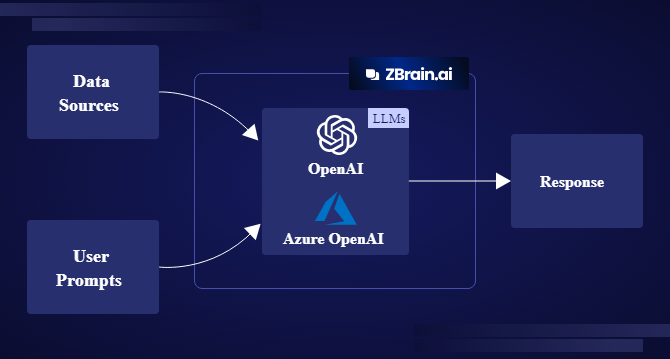
Understanding LLM Application Development
At its core, LLM application development involves creating applications that leverage the capabilities of large language models. These models are trained on vast datasets, enabling them to comprehend context, generate coherent text, and even engage in conversations. The applications developed using LLMs can range from chatbots and virtual assistants to advanced content generation tools and beyond.
The Impact of AI on Development Processes
One of the most significant changes brought about by LLM application development is the acceleration of the development process. Traditional programming often requires extensive coding and debugging, but LLMs can streamline these tasks. Developers can now utilize these models to automate code generation, suggest improvements, and even identify potential bugs, significantly reducing the time and effort involved in the development lifecycle.
Enhanced User Interaction
As LLMs become more sophisticated, the user experience will also evolve. LLM application development allows for more intuitive interfaces where users can communicate in natural language. This shift means that applications will be able to understand user intent better, leading to more personalized and efficient interactions. For instance, customer support applications can become more responsive, providing solutions to user queries in real time without human intervention.
Expanding Industry Applications
The versatility of LLMs opens doors to various industries. In healthcare, LLM application development can assist in patient interactions, providing information and support without compromising privacy. In finance, these models can analyze market trends and generate reports, aiding decision-making processes. Education is another sector where LLMs can personalize learning experiences, adapting content to meet individual student needs.
Challenges and Ethical Considerations
Despite the potential of LLM application development, there are challenges that must be addressed. Issues such as bias in training data, the need for transparency, and concerns about data privacy are critical. Developers must implement ethical guidelines to ensure that applications built on LLMs are fair and trustworthy. This responsibility includes continuously monitoring and refining the models to prevent harmful outcomes.
The Role of Collaboration and Community
The future of LLM application development will heavily rely on collaboration among developers, researchers, and industry stakeholders. Open-source initiatives and community-driven projects can foster innovation and accelerate advancements in the field. By sharing knowledge and resources, the community can work together to tackle the challenges that arise and enhance the capabilities of LLMs.
Conclusion
In summary, LLM application development represents a paradigm shift in how we build and interact with technology. As advancements continue to unfold, the potential for creating innovative applications is limitless. By focusing on ethical considerations, enhancing user experiences, and fostering collaboration, the future of LLM application development holds great promise for transforming industries and improving the way we communicate with technology.
 Tech Business
Leave a comment